
Choose Experiences, Keep the Meaning
Today we dive into Experience over Accumulation: Minimalist Choices for Lasting Fulfillment, exploring how deliberately favoring memories, relationships, and skills over constant consumption reshapes purpose and ease. Expect research-backed insights, honest stories, and actionable experiments you can try immediately to feel lighter and more alive.
The Joy Dividend: Why Moments Outlast Things
When the novelty of new purchases fades, the glow of shared moments often intensifies, becoming stories we retell and identities we grow into. Studies consistently show that experiential spending fosters longer-lasting satisfaction, largely because it intertwines with relationships, self-narratives, and personal growth. Embrace choices that become memories, not maintenance burdens.
Hedonic Adaptation, In Plain English
Our brains quickly normalize new possessions, turning yesterday’s thrill into today’s background noise. Experiences resist this flattening because they stay dynamic in memory, linked to people, places, and emotions. When we prioritize a hike, workshop, or reunion, we create layered meaning that keeps rewarding attention long after the moment passes.
Memory Architecture and Identity
Objects sit on shelves; experiences nest inside stories. Episodic memory binds sights, sounds, and feelings into personal identity, letting us revisit insight and connection without storing more stuff. Choosing learning, travel, or service deepens character, strengthens relationships, and supplies a resilient narrative during setbacks when shiny distractions offer only fleeting relief.
Anecdote: The Two Receipts Test
I compared a receipt for shoes I barely wore with a receipt for train tickets to visit a friend. Years later, the shoes gathered dust, while the visit still warms conversations and decisions. When in doubt, ask which receipt generates stories, gratitude, and courage months from now.

Defining "Better" by Function and Story
“Better” is not the most expensive or the newest. It is the thing that earns its place daily because it enables meaningful actions and carries a story you are proud to continue. When your belongings amplify learning, connection, or craft, every use becomes a tiny experience that compounds fulfillment.
Boundaries That Liberate, Not Deprive
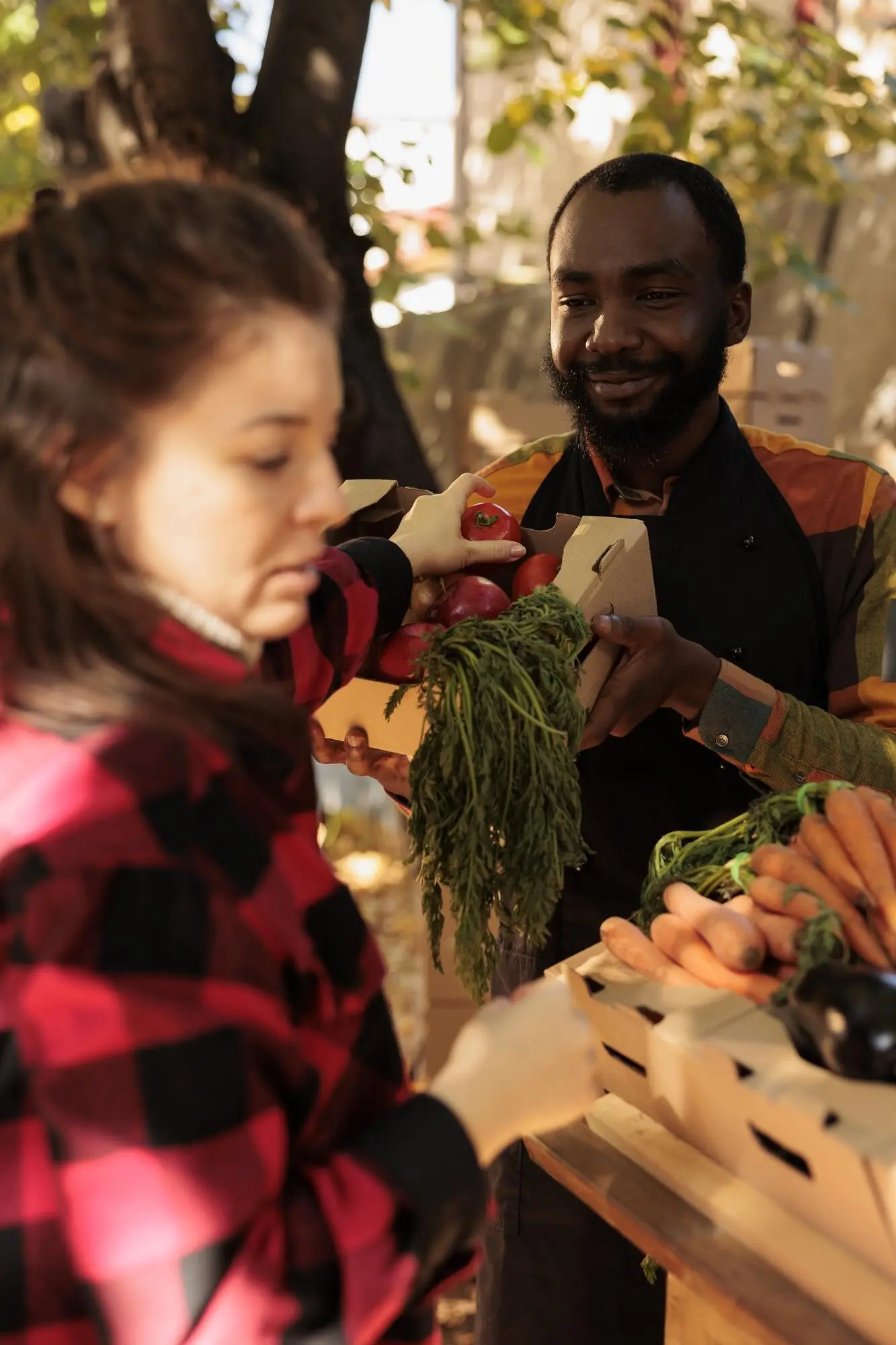
Set deliberate limits on categories—jackets, mugs, subscriptions—so decisions become one-step, not spiral. Boundaries reduce decision fatigue, freeing attention for deeper experiences. You are not saying no to joy; you are saying yes to the kind that lingers, teaches, and strengthens the person you are becoming with intention.
Rituals that Replace Shopping
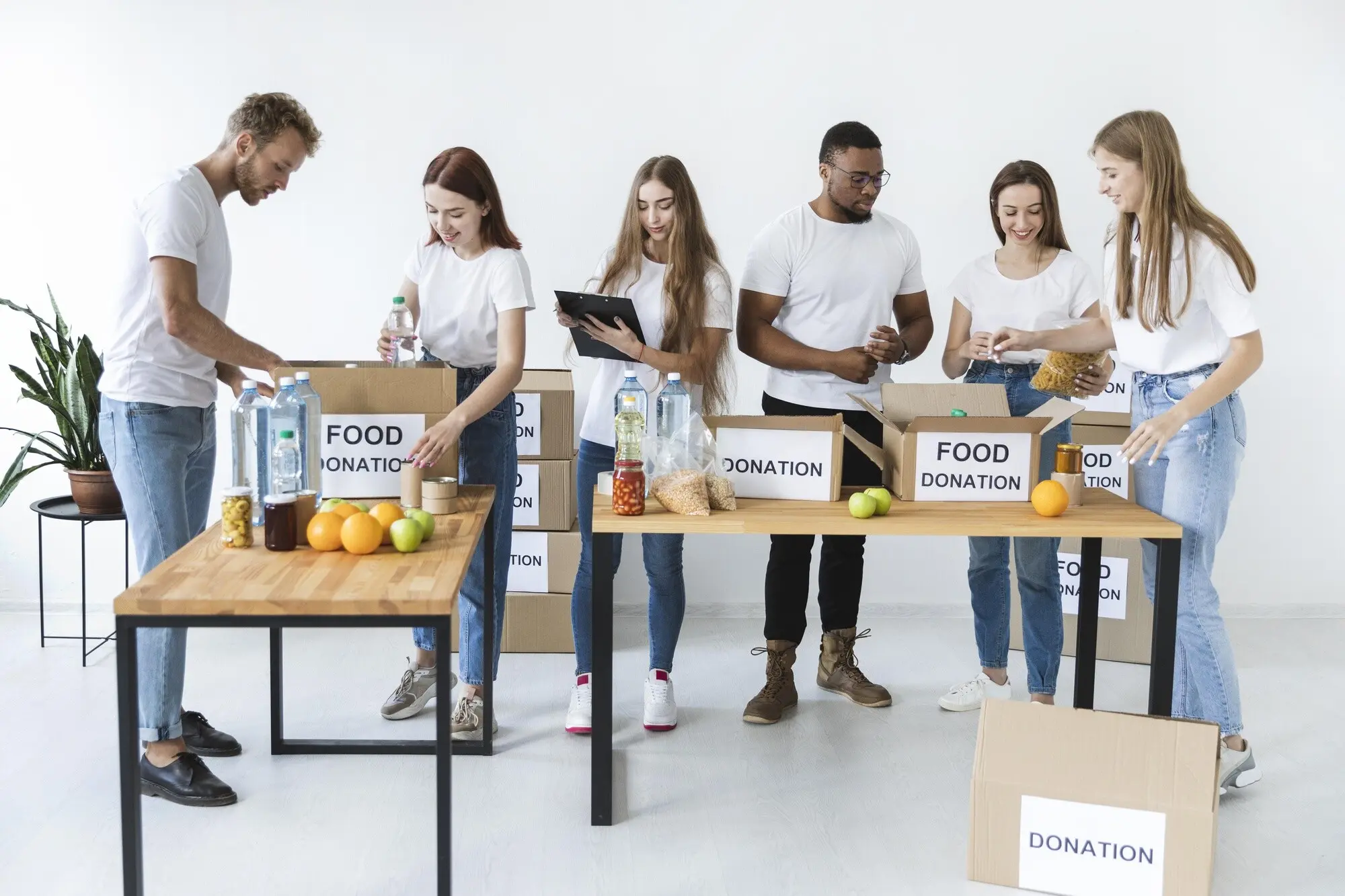
When boredom or stress invites scrolling, swap in rituals that produce memories: a standing walk with a neighbor, a weekly skill session, or cooking a new recipe together. Rituals anchor identity and give emotional regulation without accumulating clutter, turning ordinary days into stages where presence repeatedly takes the lead.
The Science of Satisfaction Without the Clutter
Fulfillment thrives when attention stabilizes, values align with behavior, and novelty supports growth rather than frantic chasing. Neuroscience highlights how variable rewards hijack dopamine, while mindful, value-consistent actions restore balance. Environmental psychology adds that simplified spaces reduce cognitive load, making it easier to choose experiences that match purpose and connection.
Dopamine, Novelty, and Gentle Anticipation
Impulse purchases spike dopamine fast, then crash. Experiences allow gentle anticipation, shared planning, and reflective savoring, creating a wider arc of reward. Stretch your timeline: announce an outing, learn together beforehand, then debrief after. This trilogy of anticipation, participation, and reflection multiplies satisfaction without overfilling shelves or draining attention.
Attention as a Nonrenewable Resource
Every item you own requests micro-maintenance: cleaning, organizing, remembering. These tiny taxes erode the focus needed for meaningful pursuits. By lowering visual noise and inventory, you reclaim bandwidth for deep work, play, and rest—the arenas where experience flourishes and fulfillment expands without demanding endless storage or complicated logistics.
Environmental Cues Shape Choices
Place cues for experiences within arm’s reach: a guitar on a stand, running shoes by the door, a visible sketchbook. Hide friction for purchases: remove saved cards, uninstall shopping apps. Your environment should cheer for action and relationships, not just acquisition. Design for ease where it matters most consistently.
Money Reimagined: Spending for Stories, Not Storage
Budgets tell values in numbers. Redirecting even modest amounts toward learning, connection, and exploration creates outsized returns in memory, skill, and identity. The goal is not austerity but alignment—funding shared adventures, personal growth, and restorative rest, while starving the purchases that linger unused and quietly demand attention.
Relationships, Identity, and the Lightness of Letting Go
Clutter clouds communication. When we release excess, we make space for conversations, shared projects, and unhurried presence. Choosing experiences signals care without handing someone a maintenance task. Over time, identity shifts from signaling with stuff to signaling with contribution, reliability, and curiosity—qualities that compound trust, joy, and meaningful belonging.






Practical Pathways: Experiments to Start This Week
Small trials beat grand declarations. Choose doable experiments that showcase how light and energized you can feel when experiences lead the way. Track feelings, not only outcomes, and invite a friend to join. Share results in the comments so others learn, encourage you, and borrow your most surprising discoveries joyfully together.
The One-Shelf Challenge
Clear one shelf, then restock only with items used daily or weekly. List three experiences you can now fund or schedule with time saved from organizing that shelf. Notice lighter mornings and easier decisions. Report back with photos or notes, inspiring others to free small spaces and redirect energy intentionally now.
Savoring Calendar Slots
Protect two weekly time blocks purely for experiences—learning, movement, or connection. Name them, invite someone, and treat them like unmissable appointments. After four weeks, compare your mood, focus, and social energy. Post your reflections and what you’ll keep, adjust, or expand so our community benefits from your honest experiments today.
The 72-Hour Pause
Before buying nonessentials, wait seventy-two hours while planning a no-cost or low-cost experience instead. If desire persists, proceed mindfully; if not, redirect money to your experience fund. Share your most enlightening pauses and the replacement activities that delighted you, building a living library of ideas others can quickly replicate.